 Buy now, pay later — powered by PayPal

Sustainability
Sustainable packaging guide: kraft, paper tape & recyclability
Sustainable packaging means choosing materials that are renewable, recyclable and no bigger than they need to be. This guide from WRAPMEADOW explains what that looks like in practice — why kraft works, how it's recycled, and how to swap the plastic out of a small brand's packaging kit.
What makes packaging sustainable?
Packaging is sustainable when it's made from renewable material, can be recycled or composted after use, and is sized to avoid waste. In practice that means favouring paper and board over plastic, avoiding mixed materials that can't be separated, and right-sizing the pack so you're not shipping air or padding a small item in a huge box. Kraft paper and board tick the first two boxes — they're made from a renewable fibre and are widely recycled — which is why they anchor most low-waste packaging kits.
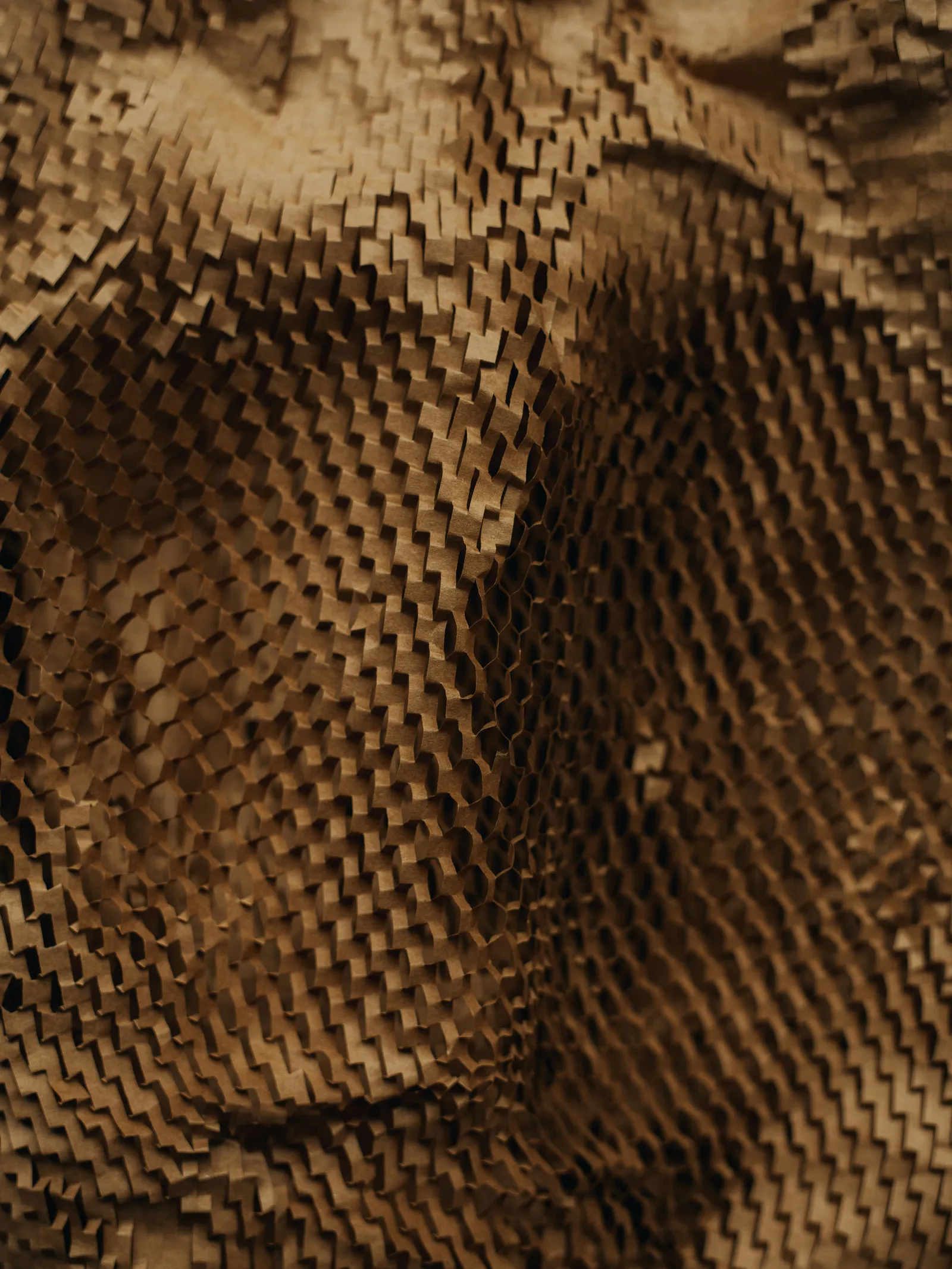
In short: sustainable packaging is renewable, recyclable and right-sized — which is why kraft paper and board are the usual starting point.
Is kraft paper recyclable?
Yes — uncoated kraft paper and board are among the most widely recycled packaging materials. Kraft is made from wood fibre and can generally be recycled in household paper and cardboard collections; the UK's Recycle Now guidance lists paper and cardboard among the materials commonly collected from homes, though exact rules vary by local authority. To keep it recyclable, keep the kraft free of heavy plastic coatings and remove any non-paper components, like a plastic tape strip, before you put it in the recycling.
If you want to put a recyclability message on your own packaging, the recognised UK scheme is the On-Pack Recycling Label (OPRL), run with WRAP, the British Retail Consortium and the Food and Drink Federation. As OPRL describes it:
"You've probably seen our famous recycling labels — simple, clear, and helping people recycle right."
— OPRL, About OPRL
Larger brands should also check whether they're caught by the UK's extended producer responsibility (EPR) for packaging rules, which require obligated producers to report — and increasingly pay for — the packaging they place on the UK market.
In short: uncoated kraft paper and board are widely recyclable in household paper and card collections in most UK areas — just keep them free of plastic coatings and tape, and check your local collection.
How do I replace the plastic in my packaging?
Replace plastic by swapping each plastic component for a recyclable or reusable equivalent, one at a time. Use kraft paper tape instead of plastic packing tape so the sealed box recycles in one piece; and protect bottles with cardboard bottle boxes and reusable inflatable air-cushion sleeves instead of bubble wrap. Each swap removes a material your customer would otherwise have to separate or bin.
- Kraft paper tape — plastic-free tape to seal cartons in one recyclable piece.
- Kraft food pouches — resealable stand-up pouches for dry goods.
- Protective bottle packaging — air-cushion sleeves and cardboard bottle boxes to cushion bottles in transit.
- Beer & wine carrier boxes — carriers for 330ml and 500ml bottles or cans.
In short: swap plastic tape for paper tape, and bubble wrap for reusable air-cushion bottle sleeves in a cardboard bottle box.
What does a low-waste packaging kit look like?
A low-waste kit pairs a right-sized kraft container with low-plastic protection and a paper seal. For a food brand that's a kraft pouch sized to the fill weight; for a drinks or gift brand it's a cardboard bottle box, a reusable air-cushion sleeve around the bottle, a wine gift bag for presentation, and kraft paper tape to seal the outer. The bottle box recycles kerbside with paper and card, the kraft tape is recyclable, and the air sleeve is reusable.
In short: a right-sized container, reusable protection and recyclable paper tape are the core of a low-waste kit.
Frequently asked questions
- Is paper tape better than plastic packing tape?
- Yes, for recyclability. Kraft paper tape can be recycled together with the cardboard box it seals, so the whole parcel goes in one recycling stream. Plastic packing tape has to be peeled off first because it contaminates cardboard recycling, which is why paper tape is the lower-waste choice for sealing boxes.
- What can I use instead of bubble wrap for bottles?
- Reusable inflatable air-cushion bottle sleeves are a low-waste alternative to bubble wrap for posting glass bottles. The clear sleeve inflates into rows of air columns that cradle the bottle, and it pairs with a cardboard bottle box. Boxes and sleeves arrive flat-packed, so they take up little storage space until you need them.
- Does sustainable packaging cost more?
- Not necessarily. Kraft pouches, paper tape and board boxes are competitively priced, and buying by the pack with no large minimum keeps costs predictable for small brands. The kraft paper tape and the cardboard bottle boxes are also recyclable.
Related: choosing kraft food pouches →